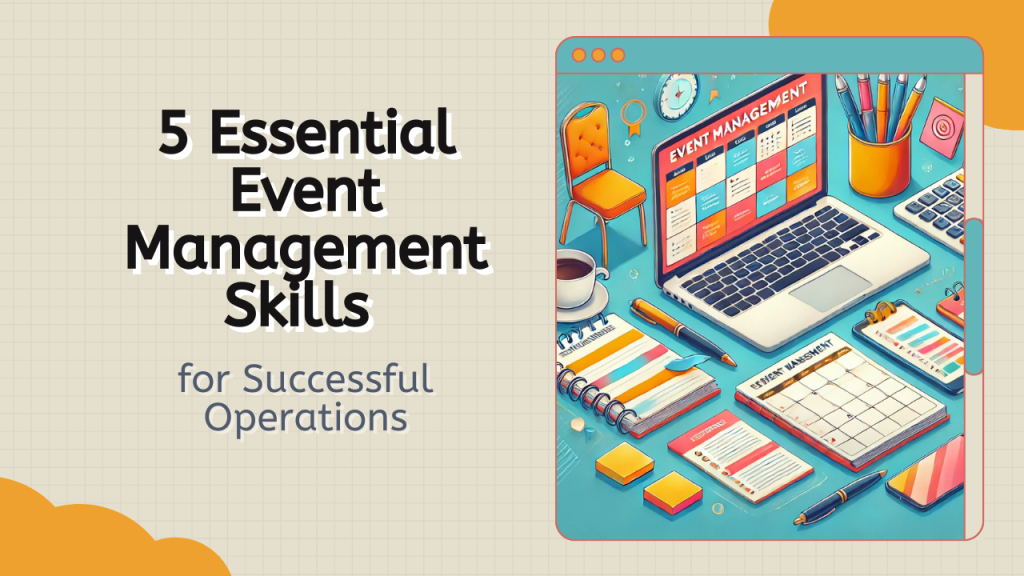
When it comes to event management, specific essential skills can make or break your success. As a former operations manager and now the director of operations here at Airbrush Events, I’ve learned what qualities help someone thrive in event operations. Whether you’re new to the event industry or looking to build a stronger ops team, here are five key event management skills I always look for:
1. Organizational Skills: The Backbone of Event Management
Staying organized is absolutely essential in event management. We juggle multiple tasks every day, from managing client relationships and artist schedules to handling last-minute changes. Being able to quickly prioritize and address unexpected issues can determine any event’s success or failure.
2. Communication Skills: Keeping Everyone on the Same Page
Strong communication skills go beyond just speaking clearly; they include active listening, thorough note-taking, and maintaining a professional yet friendly tone with clients and artists. The operations team is the primary connection between our clients and artists. We must ensure everyone knows event details, contract specifics, and any changes made. Good communication eliminates confusion and ensures everyone is aligned.
3. Critical Thinking & Adaptability: Handling the Unexpected
Rarely does an event go 100% according to plan. In event management, the ability to quickly assess a situation, find solutions, and adapt to sudden changes is crucial. Don’t hesitate to suggest creative solutions or ask questions—often, quick thinking can save an event from disaster. Taking accountability for mistakes and quickly moving forward is equally important.
4. Creativity and Attention to Detail: Finding Solutions Under Pressure
Creativity in event management means solving challenges swiftly when you can’t provide exactly what a client requests. By actively listening, responding promptly, and offering thoughtful alternatives, we demonstrate our commitment to client satisfaction. Attention to detail is equally critical, especially in coordinating artist travel, managing schedules, and accurately handling event logistics.
5. Financial Management: Ensuring Profitability
Budget management is critical in event management. Ops team members responsible for quoting prices, drafting agreements, and making travel arrangements must carefully research and calculate all costs before providing clients with a quote. This detailed financial planning ensures no surprise expenses and that the event remains profitable.
For instance, if our quoted travel fee for an artist is $1150, that amount must cover everything—from artist pay and accommodations to flights and transportation. Thorough budgeting ensures events stay profitable without exceeding client expectations.
These event management skills don’t just apply to Airbrush Events—they’re vital for anyone working in operations within the broader event industry. Mastering these skills can significantly improve your effectiveness and help your events run smoother.
What skills have you found essential in event management? I’d love to hear your thoughts!